Introduction
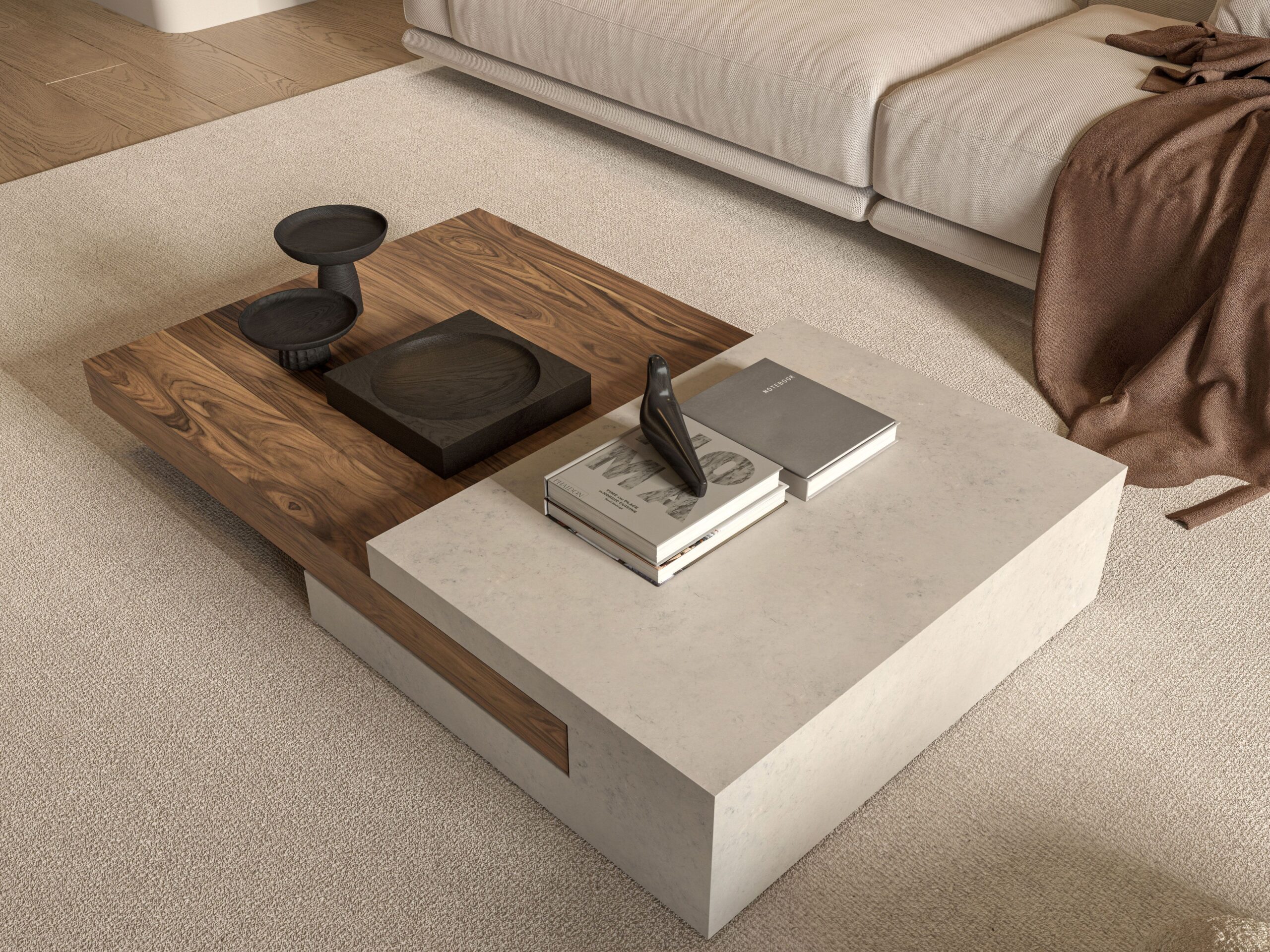
Stone coffee tables have become a popular choice for homeowners who want to combine natural beauty, practical functionality, and timeless style. Whether you prefer a modern minimalist interior, a luxurious living room, or a warm and traditional home, a stone coffee table can serve as an attractive centerpiece. Its distinctive texture, natural patterns, and solid appearance bring character to a space without requiring excessive decoration.
From elegant marble surfaces to rustic travertine finishes, there are many designs to suit different interior styles and budgets. Choosing the right table involves considering its material, shape, size, color, and maintenance requirements.
In this guide, we explore different types of stone coffee tables, their benefits, styling ideas, and practical tips to help you find an option that complements your living room.
What Are Stone Coffee Tables?
Stone coffee tables are living room tables made from natural stone, engineered stone, or materials designed to resemble stone. Stone coffee tables usually have a stone surface paired with a sturdy base crafted from materials such as wood, metal, or stone.
Natural stone stands out for its distinctive designs, varied textures, and one-of-a-kind surface details.Since no two natural slabs are exactly alike, each table can have a distinctive appearance. Some designs feature subtle neutral colors, while others include dramatic veins, speckles, or contrasting shades.
These tables are available in round, oval, square, rectangular, and sculptural shapes. This variety makes it easier to find a design for both compact apartments and spacious living rooms.
Popular Types of Stone Coffee Tables
Understanding the different materials available can help you select a table that matches your decorating preferences and everyday needs.
1. Marble Coffee Tables
Marble coffee tables are known for their refined appearance and attractive natural veining. White marble with gray veins creates a clean, sophisticated look, while darker marble adds depth and contrast.
Marble works particularly well in contemporary, modern luxury, and transitional interiors. It pairs beautifully with neutral sofas, metallic accents, and soft decorative accessories.
However, marble is sensitive to acidic substances and can stain or develop dull spots when exposed to certain liquids. Cleaning the tabletop regularly and applying a suitable sealant can help maintain its finish and reduce the risk of damage.
Best for: Elegant living rooms, contemporary interiors, and sophisticated decorative schemes.
2. Travertine Coffee Tables
Travertine is a type of limestone known for its earthy shades and naturally formed pores that give the surface a textured appearance..Its shades often include cream, beige, ivory, and soft brown.
Travertine coffee tables are especially suitable for homes inspired by Mediterranean, organic modern, and minimalist design. Their understated appearance adds texture without overwhelming the room.
Some travertine surfaces have visible holes and natural imperfections, which contribute to their character. Depending on the finish, these pores may be filled or left visible.
Travertine generally requires careful maintenance because it is porous and can be damaged by acidic cleaners.
Best for: Warm, neutral interiors and natural, understated living room designs.
3. Granite Coffee Tables
Granite is a durable natural stone available in numerous colors and patterns. Its speckled appearance can range from subtle gray and white combinations to dramatic black, brown, and multicolored surfaces.
A granite coffee table can be a practical option for households that want a substantial stone surface. However, its weight should be considered before purchasing, particularly if the table will be moved frequently.
Granite’s resistance to staining depends on its composition, finish, and maintenance. Some varieties benefit from periodic sealing.
Best for: Busy living rooms, contemporary homes, and interiors that benefit from strong visual contrast.
4. Limestone Coffee Tables
Limestone offers a soft, natural appearance that complements understated interiors. Its surface often features subtle variations, making it suitable for homeowners who prefer texture without prominent patterns.
Limestone coffee tables work well with linen upholstery, wooden furniture, woven rugs, and earthy color palettes.
Because limestone is relatively soft and reacts with acids, it needs more careful handling than some other stone materials. Spills should be cleaned promptly, and acidic cleaning products should be avoided.
Best for: Organic modern interiors, rustic homes, and relaxed living spaces.
5. Sintered Stone Coffee Tables
Sintered stone is a manufactured surface produced by processing mineral materials under high heat and pressure. It is designed to provide a stone-like appearance with practical performance characteristics.
Many sintered stone products resist scratches, heat, and stains better than some natural stones, although performance varies by product and manufacturer.
These tables are available in finishes that resemble marble, concrete, and other natural materials. They can be an attractive choice for people who appreciate the appearance of stone but prefer a more consistent surface.
Benefits of Choosing Stone Coffee Tables
Stone coffee tables provide more than an attractive appearance, offering practical benefits that make them a useful addition to any living room.
Timeless Appearance
Natural stone has remained a popular interior design material because its textures and colors can complement a wide range of decorating styles.
A well-chosen stone coffee table can continue to look appropriate even when you change your sofa, rug, curtains, or wall colors.
Distinctive Natural Patterns
A key advantage of natural stone is that each piece has its own distinctive character, patterns, and surface details. Marble veins, travertine pores, and granite patterns give each piece a distinctive character.
This makes stone furniture an excellent choice for people who want their living room to feel personal rather than overly uniform.
A Strong Visual Centerpiece
The coffee table often occupies a central position in the living room. A stone design can create a focal point through its color, shape, and material.
For example, a white marble table can brighten a dark seating arrangement, while a dark granite table can provide contrast in a room with pale furniture.
Versatile Design Options
Stone coffee tables are available in many shapes, finishes, and combinations of materials. A stone top with a wooden base creates a warm appearance, while a metal base introduces a more contemporary feel.
This flexibility allows homeowners to coordinate their tables with existing furniture instead of redesigning the entire room.
Potential for Long-Term Use
Many stone surfaces can remain attractive for years when properly maintained. Their longevity depends on the particular material, construction quality, finish, and care routine.
Choosing a well-made table and following the manufacturer’s maintenance recommendations can help preserve its appearance.
How to Choose the Right Stone Coffee Table
Selecting a suitable table involves more than choosing a beautiful surface. Consider the following factors before making a purchase.
Measure Your Living Room
Start by measuring the available floor space and the distance between your sofa, chairs, and other furniture.
A coffee table should provide enough surface area for everyday activities without obstructing movement. Leave approximately 14 to 18 inches between the table and surrounding seating when the layout permits.
The table should also be proportionate to your sofa. A table that is too large may make the room feel crowded, while a very small design may appear disconnected from the seating arrangement.
Select the Appropriate Shape
Different table shapes work better in different layouts.
Round tables: Suitable for compact seating arrangements and spaces where softer edges are desirable.
Rectangular tables: Work well with longer sofas and larger living rooms.
Square tables: Complement spacious seating areas and sectional sofas.
Oval tables: Provide an elongated surface with rounded corners.
Organic shapes: Add visual interest to modern interiors that feature curved furniture.
Consider how people will walk around the table before deciding on its shape.
Choose a Complementary Color
Stone coffee tables are available in light, dark, and multicolored finishes.
White, cream, and beige surfaces work well in bright interiors and neutral living rooms. Gray stone offers a balanced appearance that complements contemporary furniture. Black and dark brown finishes create a stronger visual statement.
Instead of matching every item exactly, consider how the table’s color relates to the sofa, rug, flooring, and decorative accessories.
Consider Weight and Stability
Natural stone tables can be heavy, especially when they feature thick slabs or solid stone bases.
Before buying, check the table’s total weight, construction, and assembly requirements. Ensure the floor can support the furniture and that the table can be delivered through doorways and staircases.
A stable base is particularly important in homes with children or pets.
Review Maintenance Requirements
Different stone materials require different levels of care. Marble, limestone, and travertine are generally more sensitive to acidic substances than many engineered surfaces.
Ask the seller about sealing, suitable cleaning products, stain resistance, and warranty coverage. Understanding these details beforehand can prevent unexpected maintenance problems.
Stone Coffee Table Styling Ideas
Once you have selected your table, thoughtful styling can help it become a natural part of your living room.
Create a Minimalist Display
A simple arrangement often works best with stone furniture. Place a small stack of books, a ceramic vase, or a decorative bowl on the tabletop.
Leave some of the stone visible so its natural texture remains the main feature.
Avoid covering the entire surface with accessories, especially when the stone already has prominent veining or patterns.
Combine Stone With Wood
Stone and wood create an appealing balance between cool and warm materials.
A marble tabletop can look beautiful alongside a wooden side table, oak flooring, or a timber furniture base. Similarly, a travertine table can complement walnut furniture and natural woven textures.
This combination is particularly effective in organic modern and Scandinavian-inspired interiors.
Add Soft Textures
Stone can sometimes feel visually heavy, especially when combined with metal and dark furniture.
Introduce softer materials through cushions, curtains, wool rugs, linen upholstery, and textured throws. These elements help create a comfortable environment while allowing the stone table to remain distinctive.
Use Decorative Trays
A decorative tray can organize small accessories such as coasters, candles, and remote controls.
Choose a tray that complements the stone rather than competing with it. Wood, ceramic, and understated metal finishes are useful options.
Always use protective pads where necessary to prevent scratches or marks.
Coordinate With Lighting
Lighting can emphasize the surface and color variations of stone. Floor lamps, table lamps, and soft ambient lighting can create a welcoming atmosphere around the seating area.
For a sophisticated appearance, combine a light stone coffee table with warm lighting and subtle metallic details.
Stone Coffee Tables for Small Living Rooms
Stone furniture can work in smaller homes when its proportions and visual weight are considered carefully.
A round table can make movement around seating easier because it has no sharp corners. A compact oval design can also provide a useful surface without occupying as much visual space as a bulky rectangular table.
Choose lighter stone colors if you want the room to feel bright and open. A slim metal base can help a table appear less heavy than a solid stone pedestal.
Multifunctional designs are worth considering as well. Some tables include lower shelves or nesting arrangements that provide additional space for books and everyday items.
However, avoid choosing a table solely because it looks attractive in a showroom. Check its actual dimensions and compare them with your room measurements.
How to Clean and Maintain Stone Coffee Tables
Regular care helps preserve the appearance of stone furniture.
Wipe the Surface Regularly
Use a soft microfiber cloth to remove dust and loose debris. For routine cleaning, follow the care instructions supplied with the table.
A cleaner specifically approved for the material is generally a safer choice than an unfamiliar household product.
Clean Spills Promptly
Coffee, tea, juice, and other liquids can leave marks on certain stone surfaces. Blot spills with a clean cloth instead of rubbing them across the tabletop.
Avoid acidic substances such as vinegar and lemon juice on marble, limestone, and travertine.
Use Coasters and Mats
Place coasters beneath drinks and protective mats beneath items that could scratch the surface.
Hot objects, rough ceramics, and decorative pieces with unfinished bases may damage some finishes, so use suitable protection.
Follow Sealing Recommendations
Certain natural stones benefit from sealing, but the appropriate schedule depends on the material, finish, and manufacturer’s instructions.
Sealing can help reduce absorption, but it does not make every stone completely stain-proof or damage-proof.
Avoid Harsh Cleaning Products
Do not assume that every multipurpose cleaner is suitable for natural stone. Abrasive powders and strong chemicals may dull or damage some surfaces.
When in doubt, test an approved cleaning product on a discreet area according to its instructions.
Common Mistakes to Avoid When Buying Stone Coffee Tables
Avoiding a few common mistakes can help you make a more satisfying purchase.
Choosing the wrong size: A table that overwhelms the seating area can interfere with movement and make the room feel crowded.
Ignoring maintenance needs: Some stones require more attention than others. Choose a material that fits your daily routine.
Overlooking the base: An attractive tabletop is not enough. The base should provide reliable support and suit the table’s weight.
Ignoring existing furniture: Consider your sofa, rug, flooring, and lighting before choosing a color or finish.
Assuming all stone is identical: Natural marble, granite, limestone, travertine, and manufactured stone surfaces have different properties. Check the exact material rather than relying on appearance alone.
Forgetting delivery requirements: Heavy furniture can be difficult to transport. Confirm delivery access, assembly arrangements, and installation requirements before ordering.
Are Stone Coffee Tables Worth Buying?
Stone coffee tables can be a worthwhile investment for homeowners who value natural textures, distinctive designs, and versatile styling options.
Their suitability depends on your budget, lifestyle, available space, and willingness to maintain the selected material. Marble may appeal to those seeking elegance, travertine suits warm and organic interiors, and granite may be appropriate for people who prefer a more robust natural surface.
Manufactured alternatives can also provide attractive designs with different maintenance characteristics. Comparing material specifications and construction quality is more useful than selecting a table based on appearance alone.
Conclusion
Stone coffee tables combine functionality with the distinctive beauty of stone, making them an appealing addition to many living rooms. With options ranging from elegant marble to textured travertine and durable granite, there is a design for almost every interior style.
The best choice depends on your room dimensions, preferred appearance, maintenance expectations, and budget. By selecting the right shape, coordinating the table with existing furniture, and following appropriate care practices, you can create a living room that feels balanced, welcoming, and stylish.
Whether you are furnishing a compact apartment or updating a spacious family home, a carefully selected stone coffee table can provide a practical surface and a lasting decorative feature.
Frequently Asked Questions
1. Are stone coffee tables durable?
Many stone coffee tables are durable, but their performance varies by material. Granite and certain manufactured surfaces may offer good resistance to everyday wear, while marble and limestone require more careful handling.
2. Which stone is best for a coffee table?
The best option depends on your needs. Marble is popular for its elegant appearance, travertine offers warm natural texture, granite provides a distinctive patterned surface, and sintered stone may offer convenient maintenance.
3. Are stone coffee tables suitable for small living rooms?
Yes. Compact round, oval, or slim-profile designs can work well in smaller spaces. Measure the room carefully and leave sufficient clearance around the table.
4. Do stone coffee tables stain easily?
Some stones are more vulnerable to staining than others. Porous or unsealed surfaces may absorb liquids, so prompt cleanup and material-appropriate maintenance are important.
5. How do I style a marble coffee table?
Use a few carefully selected accessories, such as books, a ceramic vase, or a decorative tray. Keep enough of the tabletop visible to highlight its natural pattern.
6. Can stone coffee tables match wooden furniture?
Yes. Stone and wood create an attractive contrast between smooth, solid surfaces and warm natural grain. This combination works well in modern, rustic, and Scandinavian-inspired interiors.
7. Are stone coffee tables expensive?
Prices vary according to the material, dimensions, design, craftsmanship, and brand. Compare several options and check whether delivery and assembly are included.
8. How often should a stone coffee table be sealed?
There is no single schedule for every stone. Follow the manufacturer’s recommendations and consider the specific material, finish, and level of use.
9. What should I place on a stone coffee table?
Books, coasters, small vases, decorative bowls, and trays are popular choices. Use protective pads when necessary and avoid overcrowding the surface.
10. Are stone coffee tables suitable for modern interiors?
Yes. Their natural patterns, clean lines, and varied finishes make them suitable for minimalist, contemporary, luxury, and organic modern living rooms.